The canon tracker for story worlds
Every fact sourced. Every contradiction caught. Every change traced.
Import your lore, scripts or chapters. The AI proposes facts with the exact quote; you decide what becomes canon. Contradictions and the impact of a change are flagged.
Where was Watson wounded?
Watson’s wound is on his shoulder.
There I was struck on the shoulder by a Jezail bullet, which shattered the bone and grazed the subclavian artery.
Verbatim matchA Study in Scarlet · Part I, Chapter 1
Watson’s wound is in his leg.
I made no remark, however, but sat nursing my wounded leg.
Verbatim matchThe Sign of the Four · Chapter 1
One character. One old wound. Both sources, side by side.
Whoever rings the Ashbell loses their voice until the next sunrise.
Whoever rings the Ashbell loses their voice for one hour.
Possible review impact 4 scenes and 6 related facts, at most two steps away
- S02 Dusk at the Bell Gate
- S05 The Silent Bell
- S11 The Dawn Bell
- S13 Voiceless
Both cards are real: a slip in Conan Doyle’s Sherlock Holmes and a rule change in The Ashbell Pass, a 28-document game sample. Load either and check.
Demo
See it in three minutes
Sherlock Holmes goes in, canon comes out with a source for every fact, and Watson’s wound turns up in both books. Then an agent builds a game from the canon.
Canon breaks everywhere
The best-loved story worlds lose track of their own facts
Not because the writers were careless. Facts live in different files, written by different people, years apart, and nothing keeps a record of what is already true.
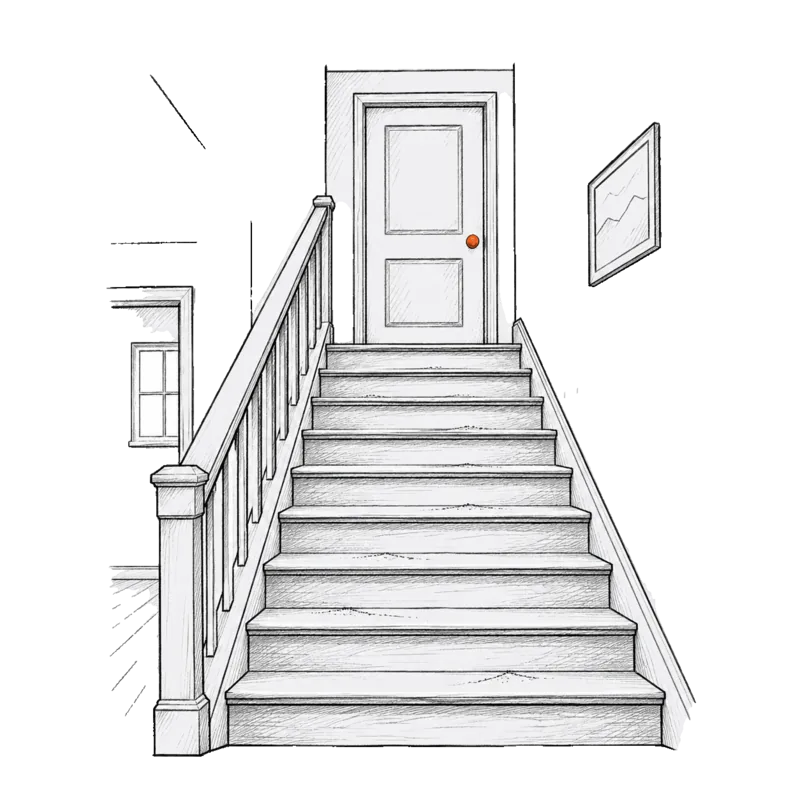
The brother who vanished
Richie’s older brother Chuck appears in the first two seasons, then is never seen or mentioned in the Cunningham household again. The trope now carries his name: Chuck Cunningham syndrome.
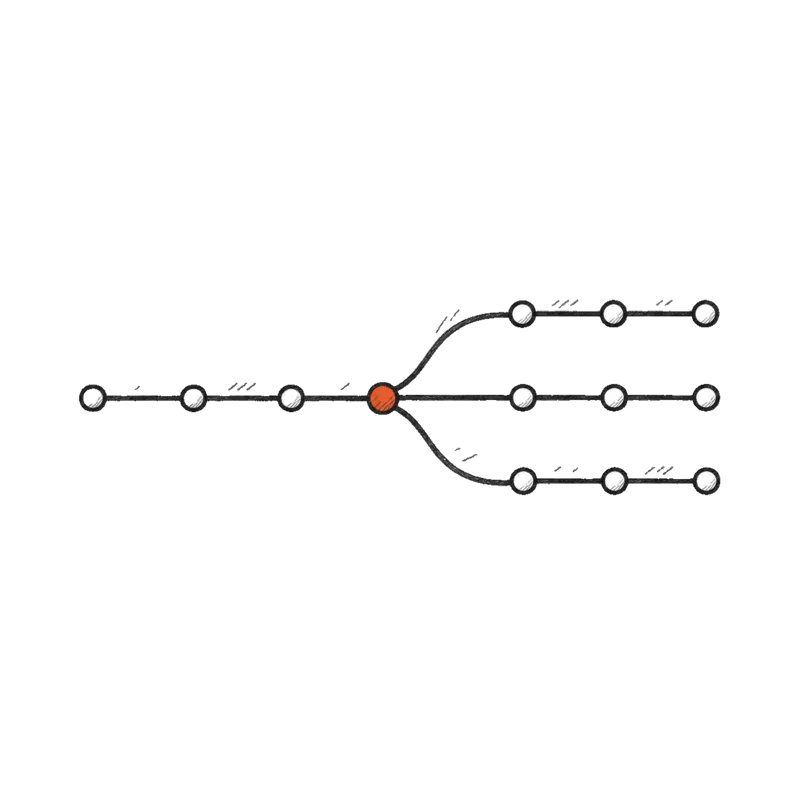
A timeline nobody could draw
For 25 years the games did not fit one story order. In 2011 Nintendo’s Hyrule Historia settled it by splitting the timeline in three.

A wound that moved
Watson’s Jezail bullet strikes his shoulder in A Study in Scarlet. In The Sign of the Four it went through his leg.
Watson’s wound is in the Sherlock Holmes sample: 31 public-domain documents in, and CanonTracker’s rules put both sentences side by side.
How it tracks canon
Pencil until a person approves it. Ink after.
The AI does the reading and sketches candidates. A person commits them to canon, and from there rules and impact analysis keep it straight.
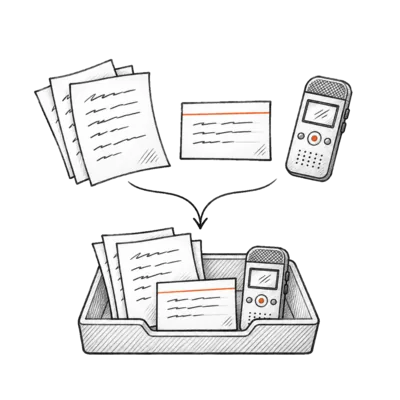
1. Import
Lore docs, scripts, chapters and table reads: Markdown, text, Word or audio. Every version is kept and never edited.

2. AI proposes
Characters, places, events, relationships and rules, each with its exact quote. A quote that isn’t in the source is blocked.
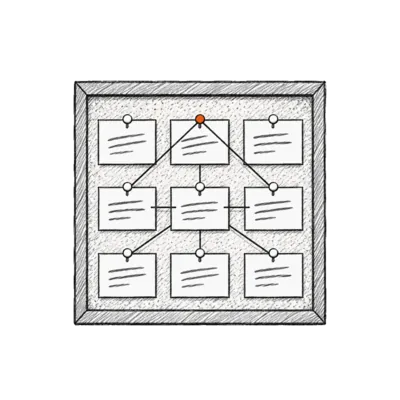
3. A person approves
Accept, edit or reject. Only an explicit human decision makes canon, and the decider’s name stays on it.
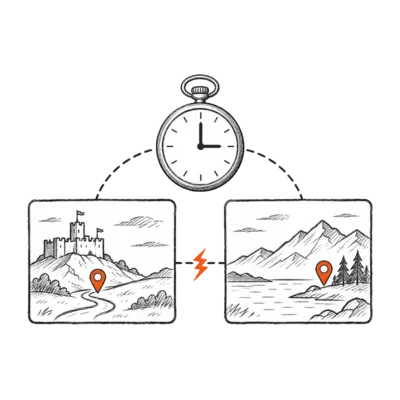
4. Rules flag contradictions
Two places at once, a trip faster than the road, a relationship after it ended, one detail with two answers.
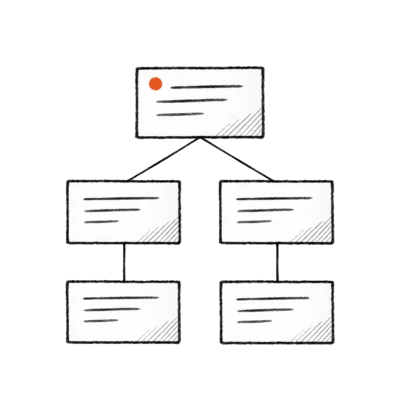
5. Impact, two hops deep
Propose a change and see the facts and scenes it touches, each with its path and evidence, before you apply it.


For every medium
One canon, whatever you ship
A game, a show, a book series or a world that spans all three. Each project gets entity types that fit its medium, and the same rules hold everywhere.
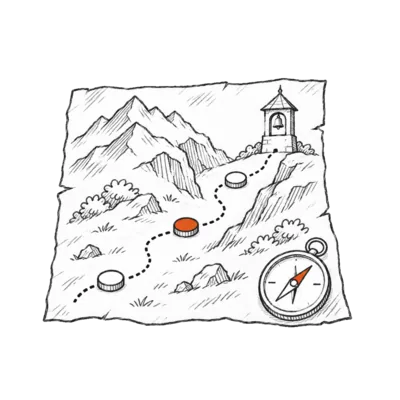
Game studios and narrative designers
Lore, quest scripts and barks from many hands, one canon every writer and every tool can check.
- Entity types for NPCs, items, abilities and quests
- Voice takes checked line by line against their script
- Agents build from canon over MCP; their proposals wait for review
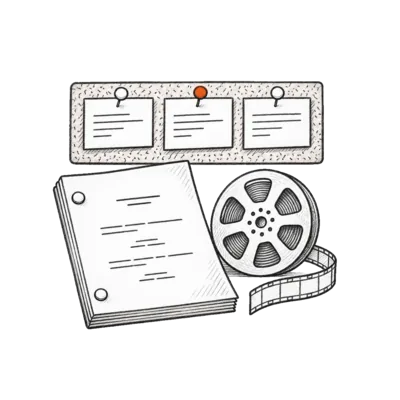
TV and film writers’ rooms
Outlines, episode scripts and table reads, every fact citing the scene and line it came from.
- Table reads as sources: timed transcripts, citations that play the line
- Script vs recording flags changed lines that contradict canon
- Rewrite a rule and get the scenes to re-review
Novelists and series authors
One canon across chapters and books, so book four agrees with book one.
- Chapters recognised on upload, Word files with comments as notes
- The Sherlock Holmes sample: two novels and five stories, 31 documents
- Export the bible as a book, the manuscript as PDF or EPUB

Creators, game masters and worldbuilders
Webcomic scripts, serial chapters, video scripts and campaign notes in one world.
- World rules and travel times as cited facts
- A wiki and a relationship graph filed from canon
- Read-only share links for collaborators and players
Canon for your AI tools
Your agents read the same canon your team does
CanonTracker is an MCP server. An agent in Claude Code, Cursor or any MCP client, can search canon, read sources, check proposed facts against the rules and propose new ones. A person decides what becomes canon, in CanonTracker.
- 37 tools
- Read, check, propose and editorial work, with the same checks and limits as the app.
- Agents propose
- No token can accept, reject or apply anything. Proposals wait in Review for a person.
- “via agent”
- Every agent action is in the audit log with its token’s name.
claude mcp add --transport http canontracker https://canontracker.com/mcp \
--header "Authorization: Bearer sb_…"- A person decides
- The AI only proposes. Agents read, check and propose too. Nothing becomes canon until a person accepts it in CanonTracker, and their name stays on the decision.
- Word for word
- Every canon fact cites a passage that contains its quote exactly. No quote, no canon; no evidence, “unknown”.
- Nothing is rewritten
- Imported files stay read-only, old facts are kept when canon changes, and the audit log is append-only.
- Projects stay apart
- One guard checks membership and role on every request. Viewers read; editors decide; admins manage.
Open source, AGPL-3.0
Run the whole app on your own server for free, everything included. Or use our hosted version, free during the beta.
Start with a story world that already breaks
Load Sherlock Holmes, the Oz books, Alice, The Ashbell Pass or Broken Tide: real documents, AI candidates to review and contradictions to find. Then import your own, or run CanonTracker on your own server.